Artikel: The secrets behind glaze layering - Tips and tricks to achieve beautiful results
The secrets behind glaze layering - Tips and tricks to achieve beautiful results
The below article is an extract from our May newsletter. If you do not want to miss our newsletters, sign up here.
-------
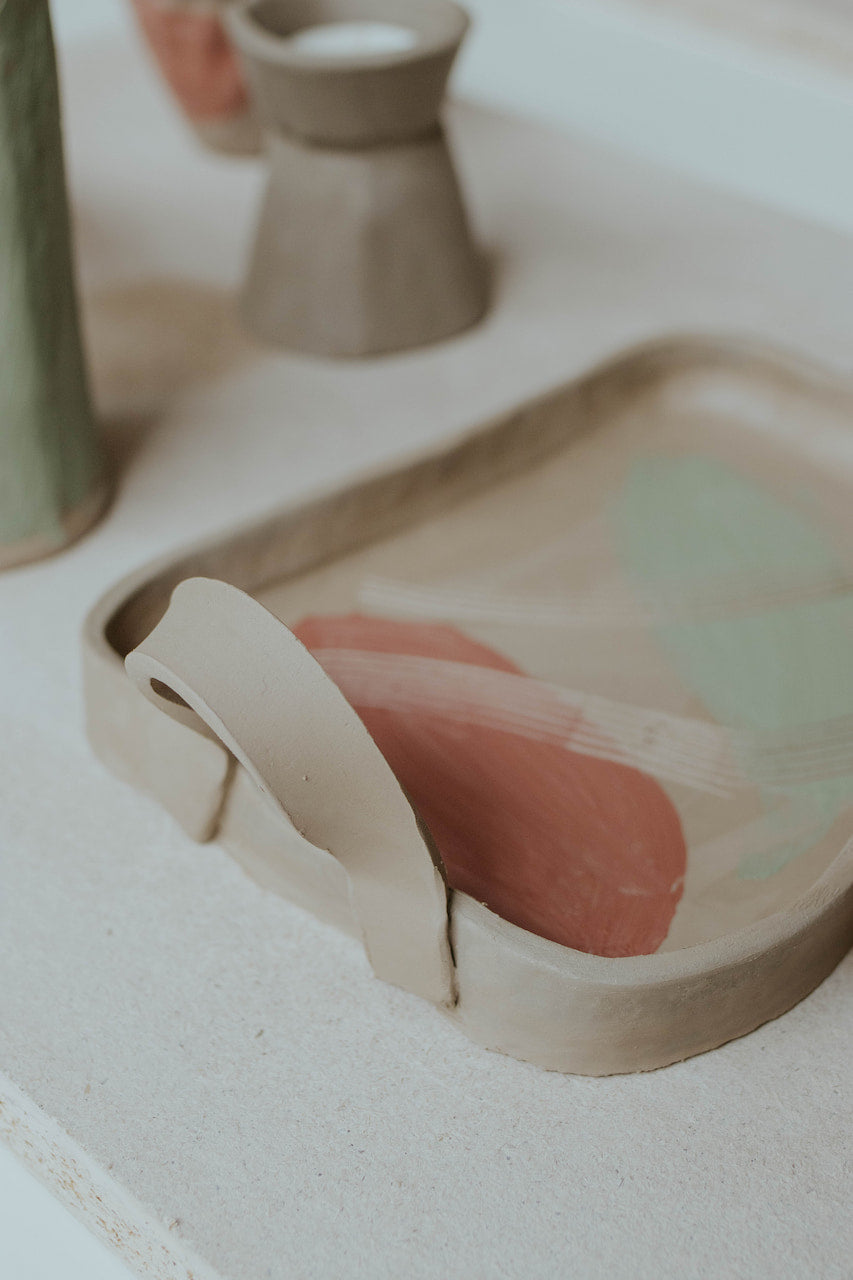
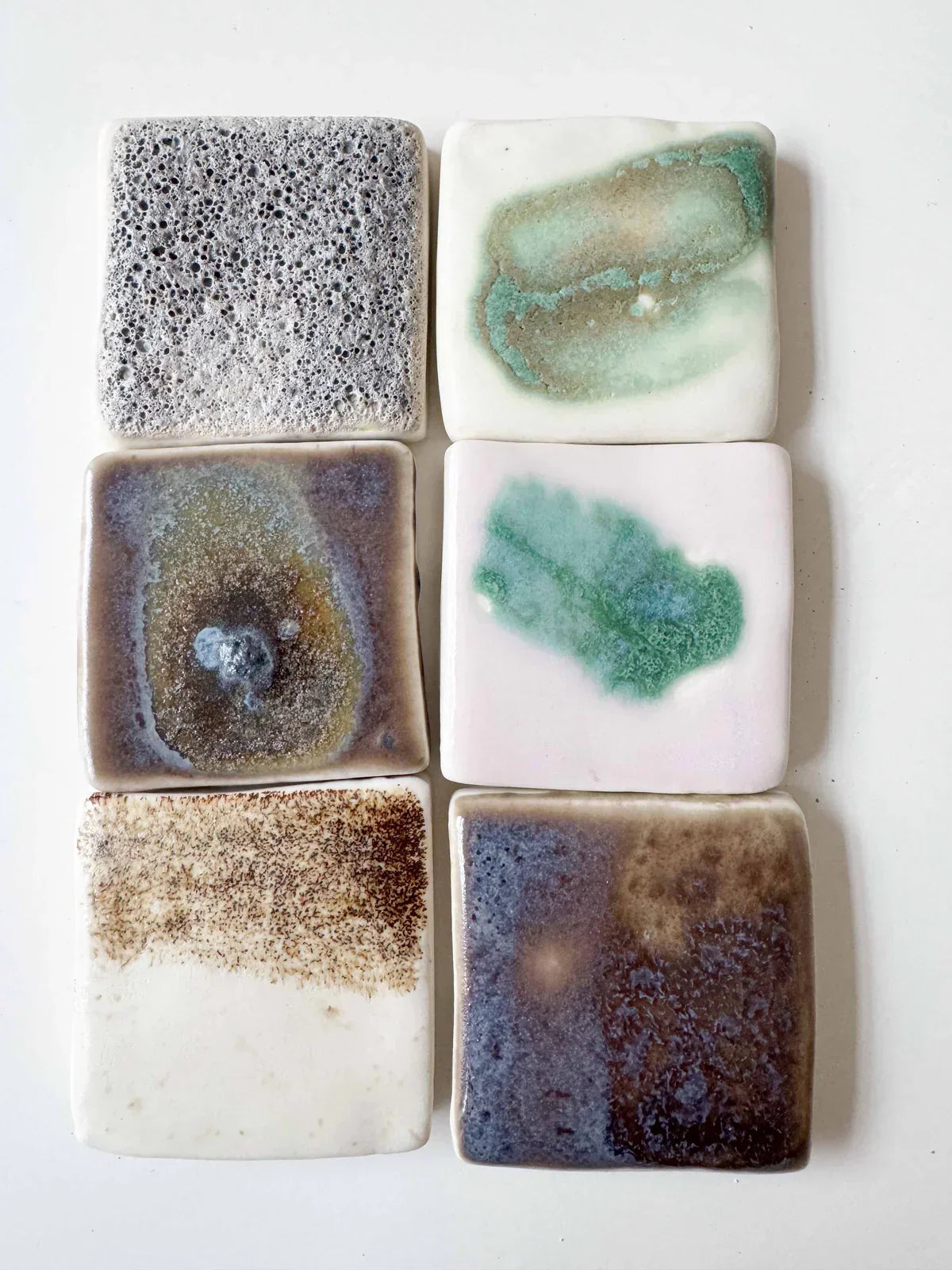
Layering is a popular topic in our glazing classes. Technically, when two glazes interact with each other, they form a completely new glass surface, with chemistry of its own.
While the only way to get good at layering is testing as much as possible, here are a few tips we give our students when asked about the best types of combinations to try out.
1. Choose two contrasting colors
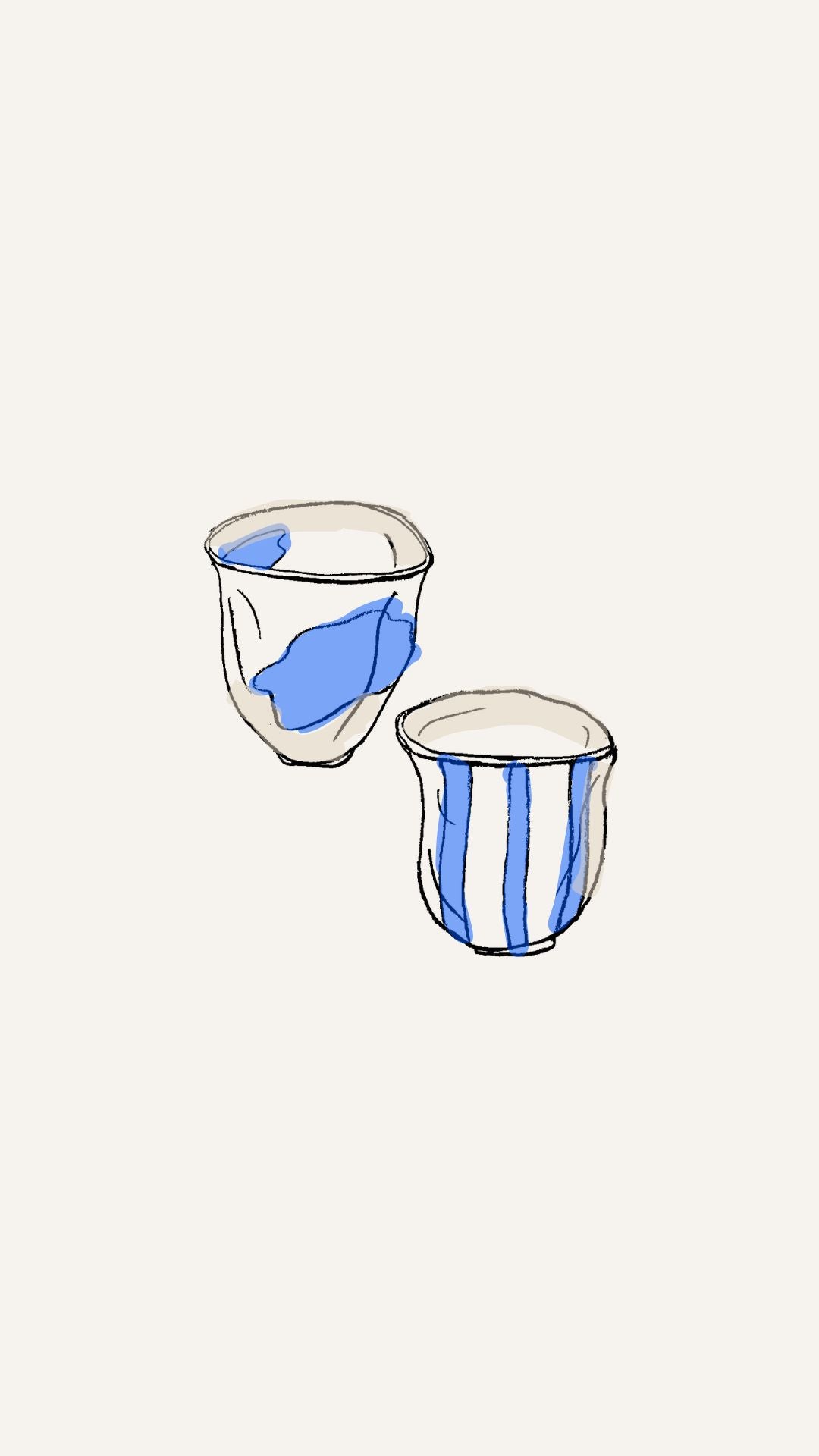
While a glossy white and a glossy yellow may seem like a good idea for a combination, the likely result will be muted and subtle. If you want results to stand out, pick two contrasting colors: blue and white or black and white. You get the point.
2. Glossy and matte
We have seen some wonderful results when a matte glaze was combined with a contrasting glossy glaze. Often it is best to start with a darker matte glaze and layer on top a light glossy glaze, although testing both combinations is a must.

3. Test different application methods
Start with an even coating of a glaze and then experiment with using brushes or other tools to apply a contrasting glaze.
4. Layering for texture
While the purpose of layering is often to create a colorful result, layering can also create wonderful textures, without necessarily relying on contrasting colors. Try to layer a textured glaze, such as a lava glaze, under or over a glossy glaze and see what happens.
5. Use other surface treatments to your advantage
If you work with stoneware, test by adding porcelain slip to your wet piece and then experiment with layering glazes after the bisque. A porcelain surface acts as a blank canvas and can often yield beautiful results.

A few things to keep in mind as you test:
1. Layering will produce running
This is not a question. It is a fact. Two glazes that may not necessarily run on their own will run when layered. It is the result of having more glaze on your piece melting during the firing and running along the piece thanks to gravity. So layer sparingly and leave a lot of space from the bottom.
2. Do not overdo it
Excessive thickness can create unexpected results and glaze defects such as crawling or pin holes. We also recommend to stick to a total of two layered glazes, unless you are applying small amounts with a brush.
3. Experiment and write everything down
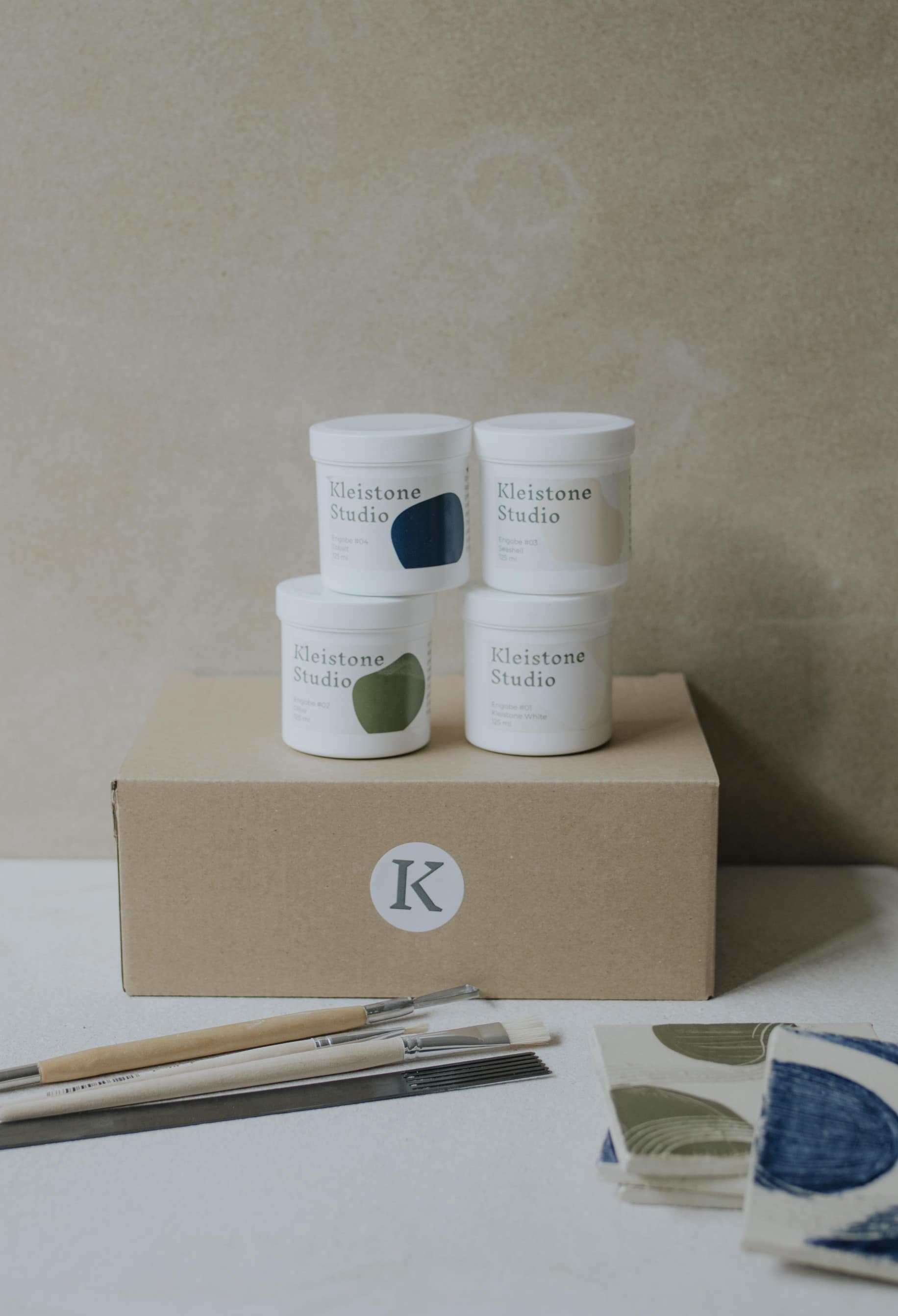
The only safe bet is to test. Make sure to mark your test tiles and write down your experiments in a notebook. We always recommend using vertical test tiles to check how much the glaze will run.
4. Layering and food safety
While the term food safety is fraught and often used incorrectly, technically speaking if you produce pieces and sell them to the public within the EU, you need to get the glazes tested to make sure they contain minimum levels of cadmium and lead. This applies also to commercial glazes because the glaze is the product of application together with the firing. When you layer glazes, you create a third type of glass and that would need to be tested as a standalone glaze if used in functional pieces. This is not legal advice!

Have any layering questions? Let us know!